Few spelling questions trip up writers as often as this one. You type “focuses,” your spellchecker stays silent, then you try “focusses” and it stays silent again. So which one is right?
This guide gives you the short answer and then covers dictionary rules, regional preferences, and real examples. It also includes a cheat sheet and a short practice quiz.
Read More About This: Pre vs Post: Meaning, Differences, Usage
Focuses vs Focusses The Quick Answer
“Focuses” is the standard spelling in both American and British English. “Focusses” is an accepted variant, found mostly in British writing, and it is much less common.
- Safest choice worldwide: focuses
- Acceptable British variant: focusses
- Rule of thumb: pick one spelling and use it consistently
What Does “Focuses” Mean?

“Focuses” is the third-person singular present tense of the verb focus. It is also one of two accepted plurals of the noun focus.
Focuses as a Verb
As a verb, “focuses” means to concentrate attention or effort on something, or to adjust a lens so an image looks sharp.
- She focuses on one task at a time.
- The camera focuses automatically in low light.
- This report focuses on customer retention.
Focuses as a Noun
As a noun, focus means a centre of attention or activity. Its plural can be foci (the traditional form) or focuses (the everyday form).
- The company has several focuses this year, including cost control and training.
- Scientists describe the foci of an ellipse.
Is “Focusses” a Correct Spelling?
Yes, but with a caveat. Major dictionaries list “focusses” as a variant of “focuses.” It is not a typo, but it is the less common choice in both regions.
If you publish for an international audience, “focusses” can look like a mistake to many readers even though it is technically accepted.
Focuses vs Focusses What’s the Difference?
There is no difference in meaning or pronunciation. The only difference is spelling and how often each form appears.
| Feature | Focuses | Focusses |
| Meaning | Same | Same |
| Pronunciation | /ˈfəʊkəsɪz/ | /ˈfəʊkəsɪz/ |
| Status | Standard | Accepted variant |
| Frequency | Very common | Rare |
| Best for | Global audiences | British-style writing |
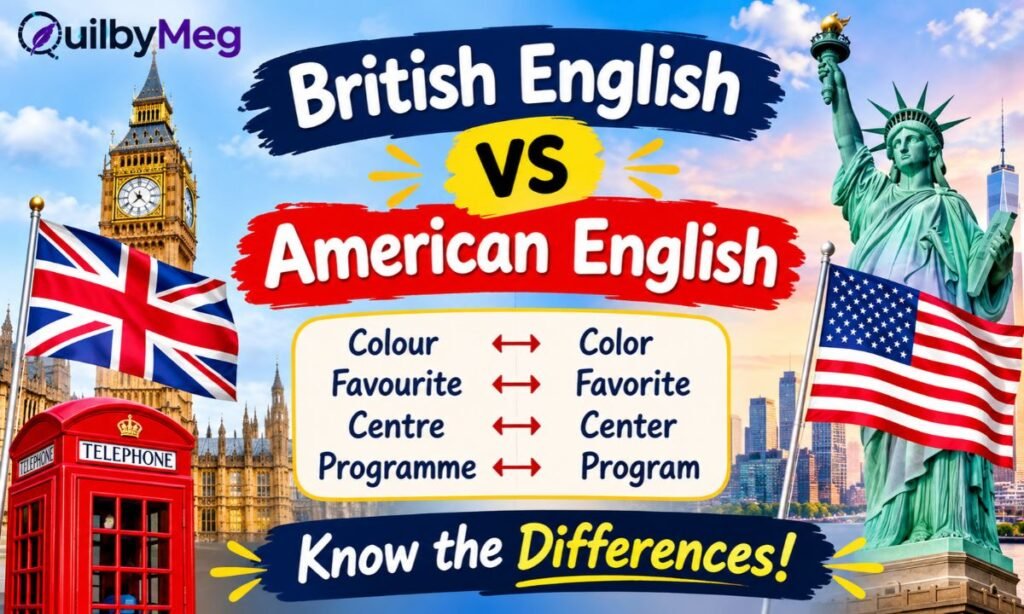
British English vs American English
American English Preference
American English uses focuses, focused, and focusing. American writers generally avoid doubling the final consonant when the stress falls on the first syllable, so “focusses” looks unusual to them.
British English Preference
British writers also use “focuses” most of the time. “Focusses,” “focussed,” and “focussing” turn up in some older or more traditional texts, and some British editors still accept them.
Oxford, Cambridge and Major Dictionary Guidance
- Oxford Learner’s Dictionaries lists “focuses” and “focusses” as forms of the verb. It gives “focused/focussed” and “focusing/focussing” as the past and -ing forms.
- Merriam-Webster treats “focusses” as a variant of “focuses” and gives “focussed” and “focussing” as secondary spellings.
- Cambridge Dictionary also shows the double-s forms as alternatives, with the single-s forms as the main ones.
The pattern is consistent. The single-s forms lead and the double-s forms follow as variants.
Why Did “Focusses” Exist?
Read More About This: Preform vs Perform: Meaning, Differences & Correct Usage
English spelling is full of inconsistencies. A common rule says you double a final consonant before adding a suffix only when the stress falls on the last syllable (begin → beginning). “Focus” is stressed on the first syllable, so the rule says no doubling.
Even so, some writers doubled the “s” by analogy with words like bus → busses and gas → gasses. The habit stuck in parts of British English, which is why “focusses” never fully disappeared.
Verb Forms of “Focus” Explained
| Form | Standard | Variant |
| Base form | focus | — |
| Third-person singular | focuses | focusses |
| Past tense | focused | focussed |
| Past participle | focused | focussed |
| -ing form | focusing | focussing |
In every row, the standard form has a single “s” before the ending.
Focused vs Focussed Which Is Correct?

Modern Usage
“Focused” is the dominant spelling in modern English. Newspapers, journals, and business writers favor it.
Traditional British Usage
“Focussed” survives in some British publications, especially older or more formal ones. You will rarely see it in American writing.
Which One Should You Write?
Choose focused. It is correct everywhere, and it keeps your writing consistent with “focuses” and “focusing.”
Focuses in Real Sentences
Business Examples
- Our marketing team focuses on organic growth.
- The new strategy focuses on customer experience.
Academic Writing
- This essay focuses on the causes of the Industrial Revolution.
- The study focuses on sleep patterns in teenagers.
Everyday Conversation
- She always focuses better in the morning.
- My brother focuses on the game and ignores everything else.
Professional Emails
- The attached proposal focuses on cost savings.
- Today’s meeting focuses on the Q4 budget.
When Should You Use “Focuses”?

In Academic Writing
Use “focuses” in essays, theses, and papers. Journals and style guides overwhelmingly prefer it.
In Business Writing
Reports, proposals, and presentations read as polished and professional when they use the standard spelling.
In Journalism
Newsrooms generally follow the single-s spelling because it is the dictionary default.
In Digital Content
Blogs and websites reach international readers, so the form that works everywhere is the smart choice. It also matches what most people type into search engines.
In Everyday Writing
Texts, notes, and social posts don’t need special rules. “Focuses” is still the easiest form to defend.
Common Grammar Mistakes
Mixing British and American Spellings
Don’t write “focuses” in one paragraph and “focussed” in the next. Mixed spelling looks careless.
Using Focusses in American English
American readers usually read “focusses” as a typo. Stick with “focuses” for US audiences.
Confusing the Verb and the Noun
- Verb: She focuses on details.
- Noun: Her main focuses are speed and accuracy.
Incorrect Subject-Verb Agreement
- Wrong: The team focus on sales.
- Right: The team focuses on sales.
- Right: The teams focus on sales.
Misspelling Related Word Forms
Common errors include “focussing” in a US document, “focusing” paired with “focussed,” and “focus’s” used as a verb.
Similar Words That Cause the Same Confusion
Focused vs Focussed
Same pattern as “focuses.” The single-s form is standard, and the double-s form is a British variant.
Focusing vs Focussing
“Focusing” is the safest option. “Focussing” is the variant.
Focuses vs Focus’s
“Focuses” is a verb or plural noun. “Focus’s” is the possessive, as in the project’s focus’s impact. Possessives like that read awkwardly, so rephrase them.
Focuses vs Focus
Use “focus” with I, you, we, they, and plural subjects. Use “focuses” with he, she, it, and singular subjects.
Quick Case Study Why Modern Style Guides Prefer “Focuses”

Imagine an editor proofreading a company report. One writer uses “focusses,” another uses “focuses,” and a third uses “focussed.” The editor has to pick a single standard. The usual choice is the single-s forms, because they match the regular spelling rule and the dictionary’s leading entry. They also avoid distracting international readers.
Writing Tip
Set your spellchecker to the correct English variant (US, UK, or other) and keep the choice consistent across the whole document.
Focuses vs Focusses Comparison Table
| Point | Focuses | Focusses |
| Standard spelling | ✅ Yes | ❌ No (variant) |
| Used in US English | ✅ Yes | Rarely |
| Used in UK English | ✅ Yes | Sometimes |
| Dictionary headword | ✅ Yes | Secondary form |
| Best for SEO and global reach | ✅ Yes | No |
Pronunciation of Focuses
Both spellings sound identical: FOH-kuh-siz. The stress falls on the first syllable.
Focuses Meaning in English
It means concentrates attention (verb), or points of attention (noun plural).
Focuses vs Focusses Grammar Rules
- Add -es to “focus” for the third-person singular.
- Keep one “s” before -ed and -ing in standard spelling.
- Reserve double-s forms for deliberate British variants.
Dictionary and Style Guide Recommendations
- Dictionaries: Single-s forms are the main entries. Double-s forms are marked as variants.
- Style guides: Most major guides prefer the single-s spellings.
- Practical advice: Unless a client or publisher requires otherwise, use “focuses.”
Common Online Searches Explained
Focuses vs Focusses Oxford
Oxford lists both forms. Single-s forms are the primary ones.
Focuses vs Focusses Cambridge
Cambridge treats the single-s spelling as standard.
Focuses vs Focusses Merriam-Webster
Merriam-Webster gives “focuses” first and “focusses” as a variant.
Focused or Focussed UK
Both are accepted, but “focused” is far more common even in the UK.
Focused or Focussed Australia
Australian English follows the same pattern: “focused” is the norm.
Focused vs Focussed Grammar
Grammar rules don’t change. Both are past tense and past participle forms of “focus.”
Focusing or Focussing
“Focusing” is standard. “Focussing” is the variant.
Plural of Focus Grammar
Use foci in scientific writing and focuses in general writing.
Editing and Proofreading Tips
- Search your document for “focuss” and review every match.
- Check that all forms (focuses, focused, focusing) follow the same pattern.
- Match your spellchecker’s language setting to your audience.
- Verify the subject before choosing “focus” or “focuses.”
- Read the sentence aloud to catch agreement errors.
Quick Reference Cheat Sheet
- ✅ He focuses on results.
- ✅ She focused on the task.
- ✅ They are focusing on growth.
- ⚠️ He focusses (British variant)
- ⚠️ She focussed (British variant)
- ✅ Plural noun: focuses or foci
Practice Section Focuses vs Focusses
Choose the best spelling for each sentence.
- This chapter ______ on climate policy. (focuses / focusses)
- She ______ the lens before taking the shot. (focused / focussed)
- They are ______ on quality. (focusing / focussing)
- The two ______ of the project are cost and speed. (focuses / focus’s)
- A US marketing team ______ on conversions. (focuses / focusses)
Answers
- focuses
- focused
- focusing
- focuses
- focuses
FAQs
Which is correct focuses vs focusses?
Both are accepted, but “focuses” is the standard spelling and the safest choice.
Is it correct to say “focuses”?
Yes. It is the correct third-person singular form of “focus” and an accepted plural of the noun.
Is focusses the UK spelling?
It is a British variant, though most UK writers and publishers also use “focuses.”
Is focuses the plural of focus?
Yes. The plural of the noun “focus” is “focuses” or “foci.”
What does focuses mean?
As a verb, it means concentrates attention on something. As a noun, it means centres of attention.
Conclusion
When choosing between “focuses” and “focusses,” go with focuses. It is standard in American and British English, it matches the dictionary’s lead entry, and it keeps your writing consistent with “focused” and “focusing.” Treat “focusses” as an acceptable British variant, and never mix the two in one document.








2 thoughts on “Focuses vs Focusses: Which Spelling Is Correct? Meaning & Examples”