
You type a quick text, glance at the screen, and something looks off. Was it “message” or “messege”? You are not alone. This is one of the most common spelling slips in English, and it happens to fast typists, students, and professionals alike.
In this guide, you will learn which spelling is correct, why the wrong one feels so natural, and a simple memory trick that makes the right spelling stick for good.
Read More About This: Refer vs Reffer: Which Is Correct?
Quick Answer
“Message” is the correct spelling. “Messege” is not a word in English.
A message is a piece of information, a request, or a communication sent from one person (or system) to another. It ends in -age, never -ege.
- ✅ Correct: I left you a message.
- ❌ Incorrect: I left you a messege.
Why People Confuse It
The confusion is understandable. Here are the main reasons writers type “messege”:
- Pronunciation: The final syllable sounds like “-ij” (/ˈmesɪdʒ/). The vowel is weak and unclear, so the ear cannot tell whether it is an a or an e.
- Look-alike words: Many English words end in -ege, such as college, privilege, and sacrilege. The brain pulls the pattern across.
- Typing speed: The letters a and e are not close on the keyboard, but fast typing and muscle memory cause slips anyway.
- Autocorrect gaps: Some apps, forms, and code editors do not flag the error, so it goes unnoticed.
- Repeated exposure: Seeing the wrong spelling in comments, chats, or old code makes it look familiar.
Message: Meaning and Usage
Message is a common English word with a few closely related meanings:
- A written, spoken, or electronic communication sent to someone.
- The main idea or point that a speech, book, film, or ad wants to get across.
- An error, alert, or notice shown by a computer or app.
The word comes from Old French, which borrowed it from medieval Latin. The root idea is “something sent.” That is why a message always travels from a sender to a receiver, whether it is a handwritten note, a voicemail, or a push alert.
The word has four forms you will use often:
| Form | Example |
| message | Please read my message. |
| messages | I have three new messages. |
| messaged | She messaged me last night. |
| messaging | We use messaging apps daily. |
Messege: Is It Correct?
No. “Messege” is always a misspelling. It does not appear in standard dictionaries, and it has no separate meaning.
You may notice it in casual posts, student writing, and even variable names in code. In programming, a typo like messege can still run if it is used consistently, but it makes the code harder to read and search. Spelling it correctly saves time later.
In formal writing, emails, resumes, and websites, “messege” can make you look careless. Spell checkers usually catch it, but you should not rely on them alone.
Comparison Table
| Feature | Message | Messege |
| Correct spelling? | Yes | No |
| In English dictionaries? | Yes | No |
| Part of speech | Noun and verb | None |
| Meaning | A communication or main idea | No meaning |
| Ending | -age | -ege (wrong) |
| Example | Send me a message. |
When to Use “Message”
Use “message” any time you mean a communication or a core idea. It works as both a noun and a verb.
As a noun
As a noun, a message is the thing being sent or the point being made.
- She left a message on my desk.
- The message of the film is about hope.
- An error message popped up on the screen.
As a verb
As a verb, to message someone means to contact them by text, chat, or app. This use is now standard in modern English.
- I will message you when I arrive.
- He messaged the whole team.
- They are messaging each other right now.
Examples of “Message”
Read More About This: Vagrant vs Hobo: Meaning, Key Differences
Seeing the word in context helps lock in the spelling. Here are some everyday examples:
- Please leave a message after the beep.
- I got your message this morning.
- The CEO sent a clear message to the staff.
- Can you message me the address?
- A new voice message just came in.
- Her speech carried a strong message about kindness.
- Check your inbox for the confirmation message.
- I messaged him, but he has not replied yet.
You will also see “message” in common phrases:
- Get the message: to understand a hint.
- Message board: an online discussion space.
- Message in a bottle: a note sent in a sealed bottle.
- Take a message: to write down information for someone else.
Common Mistakes
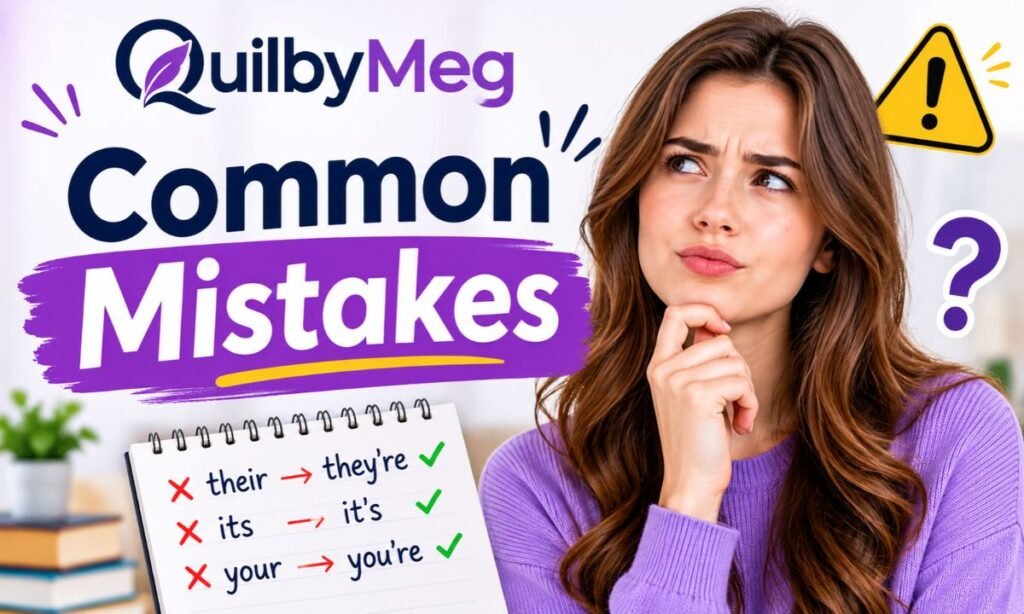
Most errors with this word fall into a few predictable patterns. Here are the four you should watch for.
Mistake 1: Writing “messege”
This is the number one error. The writer swaps the final a for an e, probably because of words like college.
- ❌ I will send you a messege.
- ✅ I will send you a message.
Mistake 2: Writing “mesage”
Here the writer drops one s. The word has a double s in the middle: mes-s-age.
- ❌ Did you read my mesage?
- ✅ Did you read my message?
Mistake 3: Writing “messsage”
This one adds a third s by accident, often from a slip of the finger. Only two are needed.
- ❌ Her messsage was short.
- ✅ Her message was short.
Mistake 4: Confusing pronunciation with spelling
Because the ending sounds like “-ij,” some people guess the spelling by ear. English spelling does not always match sound, so do not trust pronunciation alone. Also, do not mix up message with massage, which is a body treatment and a different word entirely.
- ❌ I need a message for my sore back.
- ✅ I need a massage for my sore back.
Memory Trick
A good memory trick turns a tricky spelling into something you can picture. This one takes five seconds to learn.
Think: MESSAGE = MESS + AGE
Split the word into two small pieces:
- MESS: a untidy situation
- AGE: how old something is
Put them together, and you get MESS + AGE = MESSAGE.
Now picture an old, messy note stuffed in a drawer. A mess of age. Every time you doubt yourself, ask: “Does it end with age like mess-age?” If yes, you are right.
Bonus tip: The word age shows up at the end of other familiar words, such as package, passage, language, and image. If it ends like those, it is -age.
American vs British English
Here is the good news. There is no difference. Both American and British English spell the word the same way: message.
| Variety | Spelling |
| American English | message |
| British English | message |
| Australian English | message |
| Canadian English | message |
So “messege” is not a regional variant. It is simply a typo, no matter where you live or write.
Similar Words
If you want to vary your writing, these words are close cousins of “message.” Each has a slightly different feel.
Communication
A broader word for any exchange of information. A message is one example of communication.
- Clear communication keeps teams on track.
Note
A short written message, often informal or personal.
- She left a note on the fridge.
Text
A message sent from a mobile phone or app.
- I will send you a text when I land.
Notification
An automatic alert from an app, device, or website.
- A notification appeared on my phone.
Announcement
A public or formal message shared with a group.
- The school made an announcement about the holiday.
Memo
A short written message used inside a business or organization.
- The manager circulated a memo about the new policy.
FAQs
Is “messege” a correct spelling?
No. “Messege” is a common misspelling and is not a word in English.
Is it “message” or “messege”?
It is “message.” The word always ends in -age.
Why do people spell message as “messege”?
The ending sounds like “-ij,” so people guess the vowel and often pick e, influenced by words like college.
How do you spell message correctly?
M-E-S-S-A-G-E. Remember it as mess + age.
What does message mean?
A message is information or a communication sent from one person or system to another. It can also mean the main idea behind a speech, book, or film.
Can “message” be a verb?
Yes. To message someone means to contact them by text or chat, as in “I will message you later.”
Is “message” the same in American and British English?
Yes. Both spell it message, so there is no regional difference.
Final Verdict
The answer is simple: “message” is correct, and “messege” is always wrong. The confusion comes from the soft “-ij” sound at the end of the word and from look-alike words such as college.
To get it right every time, remember the trick: MESS + AGE = MESSAGE. Check for the double s in the middle, finish with -age, and you will never second-guess it again.
Next time you send a note, a text, or a work email, you can hit send with full confidence in your spelling.


2 thoughts on “Message vs Messege: Which Is Correct? Meaning, Spelling & Easy Memory Trick (2026)”